Expired Medications: Separating Dangerous Degradation from Pharmaceutical Folklore
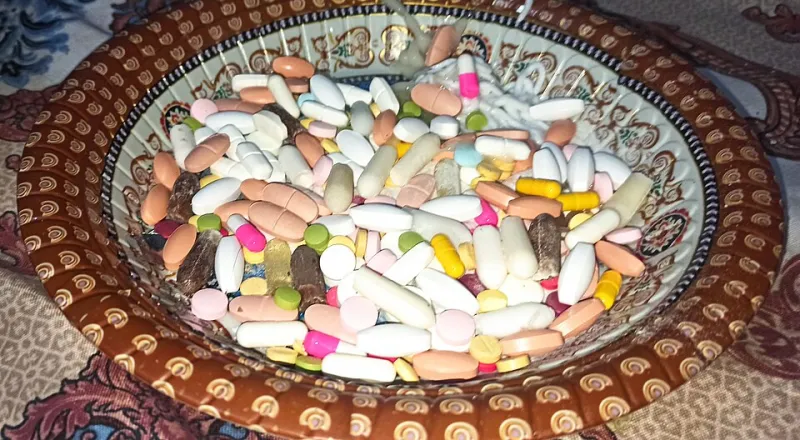
Photo: Mr. Ibrahem, CC BY-SA 4.0, via Wikimedia Commons
Every year, Americans dispose of billions of dollars' worth of medications based on a printed date that, in many cases, tells only part of the story. The expiration date stamped on your prescription bottle or over-the-counter packaging is frequently misunderstood—treated either as an absolute deadline after which a pill transforms into something hazardous, or dismissed entirely as a marketing ploy designed to drive repeat purchases. Neither interpretation is fully accurate.
The truth, as with most things in pharmacology, sits somewhere in the middle—and knowing where your specific medications fall on that spectrum is genuinely important for your health and safety.
What Expiration Dates Actually Represent
Under regulations established by the U.S. Food and Drug Administration (FDA), pharmaceutical manufacturers are required to assign an expiration date to every drug product they sell. This date represents the period through which the manufacturer can guarantee, based on stability testing, that the medication retains its full labeled potency and safety profile when stored under recommended conditions.
Critically, that date is not a prediction of when the drug becomes unsafe. It is the end of the window the manufacturer has formally tested and certified. Once that window closes, the company's legal guarantee expires—not necessarily the drug's effectiveness.
Stability testing, which forms the basis for these dates, is conducted under controlled temperature, humidity, and light conditions. Most expiration dates are set at two to three years from the manufacturing date, though this varies considerably by drug class and formulation.
The SLEP Findings: A Government Study That Changed the Conversation
Perhaps the most compelling evidence that expiration dates are conservative by design comes from the U.S. military. The Shelf Life Extension Program (SLEP), a joint initiative between the Department of Defense and the FDA, was launched in the 1980s to evaluate whether stockpiled medications could safely be used beyond their labeled dates—a matter of significant financial and logistical importance for military readiness.
The results were striking. A study published in the Journal of Pharmaceutical Sciences found that of 122 different drug products tested, 88 percent remained stable for an average of 66 months past their original expiration dates. Some medications retained full potency for more than a decade beyond the printed date.
For the average American, this finding carries a practical implication: many medications stored properly in a cool, dry location may remain effective well after their expiration dates. However, SLEP testing was conducted on sealed, unopened stockpiles—not on bottles that have been opened, handled, and stored in a bathroom cabinet subject to humidity and temperature swings.
Which Medications Raise Real Concerns
While the SLEP data is reassuring for many drug categories, it does not apply universally. Certain medications warrant genuine caution when expired, either because their chemical degradation produces harmful byproducts or because their failure to work at full potency could have life-threatening consequences.
Nitroglycerin is frequently cited as a drug where potency loss is especially consequential. Used for acute chest pain in patients with heart disease, even a modest reduction in effectiveness could delay relief during a cardiac event. Patients relying on nitroglycerin tablets are strongly advised to replace supplies before expiration.
Liquid antibiotics, particularly those reconstituted from powder form (such as amoxicillin suspension), have a very short effective window—typically 7 to 14 days when refrigerated. Using these beyond their prepared date risks both reduced efficacy and potential bacterial contamination.
Insulin and other biologics are protein-based medications that degrade in ways that are not always visible. Expired insulin may deliver inconsistent glucose control, which is dangerous for individuals managing diabetes.
Eye drops and other ophthalmic preparations can become contaminated over time, raising the risk of eye infections if used after expiration.
Tetracycline antibiotics have historically been associated with a syndrome involving kidney toxicity when degraded—though modern formulations have largely mitigated this risk, the concern reinforces why some drug classes deserve more scrutiny than others.
Where the Risk Is Lower
For many common, stable medications—solid oral formulations such as tablets and capsules—the primary consequence of expiration is reduced potency rather than toxicity. This category includes many pain relievers, antihistamines, and certain vitamins.
For a healthy adult using an expired ibuprofen tablet to manage a minor headache, the practical risk is that the pill may be somewhat less effective than expected. That is meaningfully different from the risk of taking a degraded liquid antibiotic or an expired cardiac medication.
Context matters enormously here. Using a mildly less effective pain reliever for a low-stakes situation is a different calculus than relying on a potentially degraded medication to manage a serious or chronic condition.
Storage Conditions Matter as Much as the Date
Pharmacists consistently emphasize that storage environment dramatically affects how quickly a medication degrades. The common practice of keeping medications in a bathroom medicine cabinet—convenient though it is—exposes pills to repeated cycles of heat and humidity from showers and baths, accelerating breakdown.
The FDA recommends storing most medications in a cool, dry place away from direct sunlight. A bedroom dresser drawer or a kitchen cabinet away from the stove and sink are generally preferable to a bathroom cabinet. Medications requiring refrigeration should be stored consistently at the specified temperature range.
A bottle of aspirin kept in a cool, dry drawer may retain its effectiveness considerably longer than the same bottle stored in a steamy bathroom. The expiration date assumes ideal storage—deviation from those conditions shortens the effective window.
Practical Guidance for Your Medicine Cabinet
The following principles can help you make more informed decisions about expired medications at home:
- Do not use expired medications for serious, chronic, or acute conditions where full potency is essential—this includes heart medications, seizure drugs, insulin, EpiPens, and any medication prescribed for a time-sensitive emergency.
- Inspect solid oral medications for visible changes: unusual odor, discoloration, crumbling, or moisture exposure are signs that a medication should be discarded regardless of the date.
- Discard liquid formulations promptly after their expiration or recommended use-by period. This is especially true for antibiotics, eye drops, and suspensions.
- Replace emergency medications on a regular schedule. The modest cost of keeping a current supply is far outweighed by the risk of relying on a degraded product during a medical emergency.
- Use FDA-approved drug disposal programs to safely discard expired medications. Many pharmacies participate in take-back programs, and the FDA provides guidance on safe disposal methods at home for medications that cannot wait for a collection event.
The Bigger Picture
Expiration dates serve an important function in the pharmaceutical system—they represent a tested, certified guarantee of quality. What they are not is a precise moment of transformation from safe to dangerous. For most stable, solid medications stored properly, that date is a conservative benchmark, not a cliff edge.
The more meaningful question for consumers is not simply when a medication expires, but what kind of medication it is, how it has been stored, and what it is being used to treat. Those variables together paint a far more accurate picture of actual risk than any single date printed on a label.
When in doubt, your pharmacist remains one of the most accessible and underutilized resources available to American patients. A brief conversation at the pharmacy counter can clarify whether a specific expired medication poses a real concern—or whether your medicine cabinet cleanout can wait a little longer.