Cracking the Formulary Code: A Patient's Guide to Insurance Drug Lists and Smarter Medication Costs

Photo: pharmacist helping patient with prescription insurance paperwork at pharmacy counter, via thumbs.dreamstime.com
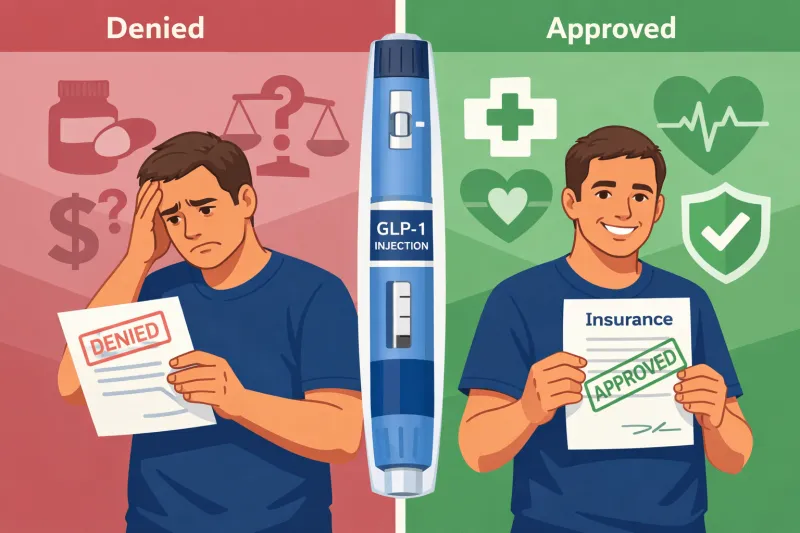
Few moments in a patient's healthcare journey are more frustrating than arriving at the pharmacy, prescription in hand, only to be told that your insurance won't cover the medication your doctor prescribed — or that your out-of-pocket cost is several hundred dollars for a month's supply. For millions of Americans, this scenario plays out regularly, and the culprit is often a document most patients have never read: the formulary.
Understanding what a formulary is, how it shapes your medication options, and what you can do when it works against you is one of the most practical pieces of health literacy any consumer can develop.
What Exactly Is a Formulary?
A formulary is, in its simplest form, a list. Specifically, it is a list of prescription medications that your health insurance plan has agreed to cover, either fully or partially. Insurance companies — including those administering Medicare Part D, Medicaid managed care, and private commercial plans — work with pharmacy benefit managers (PBMs) to develop and maintain these lists.
Formularies are not static. They are typically reviewed and updated annually, which means a drug that was covered under your plan last year may not be covered this year. Insurers negotiate pricing with pharmaceutical manufacturers, and the outcome of those negotiations directly determines which medications make the list and at what cost to you.
The practical implication is significant: your physician may prescribe the medication they believe is most appropriate for your condition, but your insurance plan may have a different opinion about which drug it is willing to help pay for.
Understanding Tier Structures
Most formularies are organized into tiers — typically three to six levels — each carrying a different cost-sharing requirement for the patient. While the exact structure varies by plan, a general framework looks something like this:
- Tier 1 typically includes generic medications and carries the lowest copayment, often just a few dollars per prescription.
- Tier 2 usually covers preferred brand-name drugs, with moderate cost-sharing.
- Tier 3 encompasses non-preferred brand-name medications, where your share of the cost rises considerably.
- Tier 4 and above often include specialty drugs — biologics, complex injectables, or medications for rare conditions — which can carry coinsurance requirements rather than flat copays, sometimes amounting to hundreds or even thousands of dollars per month.
Where a drug lands on this tier structure is the result of negotiations between the insurer, the PBM, and the drug manufacturer — not necessarily a reflection of the medication's clinical effectiveness for your specific condition.
Why Your Doctor's Choice and Your Plan's Preference Often Diverge
Physicians prescribe based on clinical evidence, patient history, tolerability, and their professional judgment. Insurance formularies are constructed based on cost negotiations, rebate agreements, and utilization management strategies. These two frameworks frequently produce different answers to the question of which medication is best.
This is why a physician may prescribe a brand-name medication while your insurer's formulary only covers a generic alternative — or covers a different drug in the same class entirely. It's also why patients with complex or chronic conditions sometimes find that the medication they've taken successfully for years suddenly requires additional justification for coverage.
Practical Strategies When Your Medication Isn't Covered
Finding yourself on the wrong side of a formulary decision doesn't mean you're out of options. Several well-established pathways exist for patients who need to push back or find alternatives.
Request a Formulary Exception
If your physician believes a specific medication is medically necessary and the formulary alternatives are not appropriate for you, they can submit a formulary exception request to your insurer. This process requires clinical documentation explaining why the non-covered drug is necessary and why covered alternatives would be ineffective or harmful. Success rates vary, but this is a legitimate and frequently used mechanism — particularly for patients with documented sensitivities or contraindications to the preferred alternatives.
Ask About Therapeutic Alternatives
Before escalating to an exception request, it's worth having a candid conversation with your prescribing physician about what the formulary does cover within the same drug class. Many conditions can be managed with multiple medications that work through similar mechanisms. If a therapeutically equivalent drug is available at a lower tier, switching may be both medically appropriate and financially beneficial. Your pharmacist is also an excellent resource for identifying covered alternatives — a conversation that takes just a few minutes at the counter can sometimes resolve the issue immediately.
Explore Manufacturer Assistance Programs
Many pharmaceutical companies offer patient assistance programs (PAPs) or copay assistance cards for brand-name medications, particularly those in higher formulary tiers or those not covered at all. These programs are primarily designed for commercially insured patients or those who are uninsured, and eligibility criteria vary. Visiting the manufacturer's website directly or asking your physician's office is the fastest way to determine whether assistance is available.
Compare Prices Outside Your Insurance
Counterintuitively, paying cash — especially with a prescription discount card or service — is sometimes cheaper than using your insurance, particularly for generic medications. Services that aggregate pharmacy pricing data allow patients to compare costs across nearby pharmacies and apply discount codes that can dramatically reduce out-of-pocket expenses. In some cases, a 90-day supply through a mail-order pharmacy affiliated with your plan may also reduce your per-dose cost significantly.
Review Your Formulary Before Open Enrollment
One of the most underutilized opportunities for cost savings occurs not at the pharmacy, but during open enrollment season. If you take regular medications, reviewing the formularies of available plans before selecting your coverage for the upcoming year can prevent unpleasant surprises. Most insurers publish their formularies online, and Medicare's Plan Finder tool allows beneficiaries to compare plans based on their specific drug list.
The Role of Your Pharmacist as a Formulary Navigator
Americans have more access to pharmacists than to nearly any other healthcare professional — no appointment necessary, and often available seven days a week. Yet many patients don't think to consult their pharmacist about formulary questions or cost-reduction strategies. A knowledgeable pharmacist can quickly identify whether a lower-cost therapeutic alternative exists, whether a manufacturer discount card applies to your prescription, or whether splitting a higher-dose pill (with physician approval) is a safe and cost-effective option for your medication.
Building a relationship with a consistent pharmacy — rather than price-shopping across multiple locations — also means your pharmacist has a complete picture of your medication profile, which matters for both safety and advocacy.
Knowing Your Rights
Under the Affordable Care Act, insurance plans are required to cover at least one drug in each therapeutic class, and they must have a formal exceptions and appeals process. If your exception request is denied, you have the right to appeal — and to request an expedited review if your condition is urgent. The appeals process can feel daunting, but patient advocacy organizations and your physician's office can often provide support in navigating it.
State insurance commissioners also have oversight authority, and filing a complaint through your state's department of insurance is an option when you believe a coverage decision is unreasonable or improperly applied.
The Bigger Picture
Formularies exist, in part, because managing prescription drug costs is genuinely complex — and because some cost-containment measures do encourage the use of equally effective, lower-cost medications. But the system's opacity and the power imbalance between large insurers and individual patients mean that uninformed consumers often pay more than necessary or go without medications they need.
Knowing how the formulary system works — and knowing what levers you can pull when it works against you — is a form of self-advocacy that pays dividends in both health and financial wellbeing. At PillsMap, we believe that informed patients make better decisions, and that starts with understanding the map before you get lost in the maze.