Prescription Denied: A Patient's Roadmap Through Insurance Coverage, Prior Authorizations, and Medication Appeals
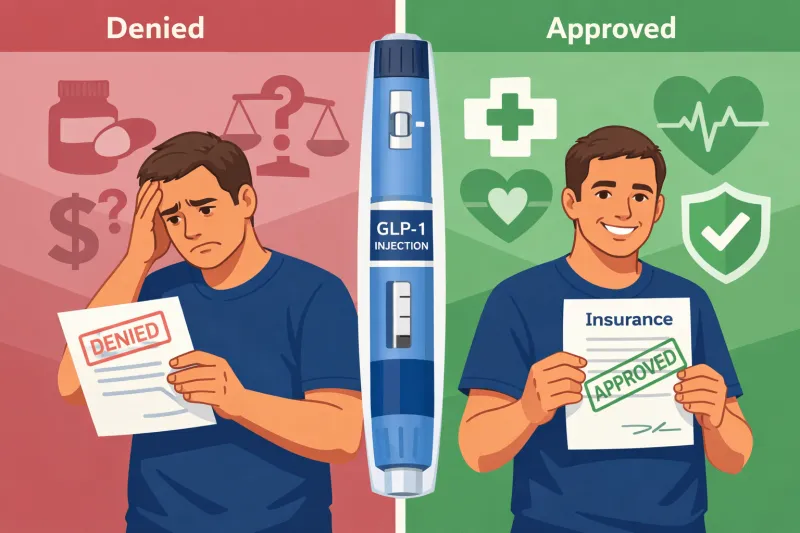
Photo: patient frustrated with insurance paperwork prescription medication denial, via healthfactsjournal.com
You leave your doctor's office with a prescription in hand and a plan for managing your health. Days later, your pharmacy calls to say the medication has been denied by your insurance company. For millions of Americans, this scenario is not an exception — it is a recurring obstacle in an already complicated healthcare system.
Navigating insurance coverage for prescription drugs requires a working knowledge of terms, processes, and rights that most patients are never formally taught. This guide is designed to fill that gap.
Why Insurance Companies Control What You Can Take
Health insurance plans — whether employer-sponsored, purchased through the marketplace, or government-administered through Medicare or Medicaid — maintain something called a formulary. A formulary is essentially a tiered list of covered medications. Drugs on lower tiers typically cost patients less out of pocket, while those on higher tiers carry steeper copays or coinsurance rates. Some medications are excluded from coverage entirely.
Insurers construct these formularies based on a combination of clinical evidence, cost-effectiveness analyses, and negotiated rebates with pharmaceutical manufacturers. A drug that your physician considers the most appropriate treatment for your condition may fall on a higher tier or require additional approval steps before your plan will pay for it.
This is where prior authorization enters the picture.
What Is a Prior Authorization?
A prior authorization (PA) — sometimes called a precertification or preapproval — is a requirement imposed by your insurer that your prescribing physician obtain approval before a specific medication will be covered. The insurer essentially asks: is this drug medically necessary for this particular patient?
Prior authorizations are commonly required for:
- Brand-name medications when a generic equivalent exists
- Specialty drugs, including biologics used for conditions such as rheumatoid arthritis, multiple sclerosis, or certain cancers
- Controlled substances and medications with high potential for misuse
- High-cost treatments that insurers want to ensure are being used appropriately
The PA process requires your physician to submit clinical documentation — medical records, diagnosis codes, treatment history — demonstrating that the prescribed medication is the appropriate choice for your case. This can take anywhere from 24 hours to several weeks, depending on the insurer and the complexity of the request.
Step-Fail Requirements: The Hurdle Before the Hurdle
Beyond prior authorizations, many insurers also enforce step therapy, colloquially known as a "fail-first" policy. Under step therapy, your plan may require you to try one or more lower-cost or lower-tier medications before it will cover the drug your doctor originally prescribed.
For example, a patient prescribed a newer antidepressant may first be required to try an older, generic alternative. Only if that medication proves ineffective or causes intolerable side effects will the insurer agree to cover the originally prescribed drug.
While step therapy can be clinically appropriate in some cases, it can also delay effective treatment — and in certain situations, it can be genuinely harmful. Many states have enacted step therapy reform laws that allow patients to request exceptions, particularly when they have already failed the required alternatives or when step therapy poses a medical risk.
When Your Prescription Is Denied: Immediate Steps to Take
Receiving a denial notice can feel overwhelming, but it is important to understand that a denial is not a final answer. Here is a structured approach to responding:
1. Request a Written Explanation
Your insurer is legally required to provide a written explanation for any coverage denial. Review this document carefully. The reason for denial — whether the drug is not on the formulary, requires a PA, or falls outside step therapy guidelines — will determine your next course of action.
2. Contact Your Prescribing Physician
Your doctor's office likely has staff experienced in handling prior authorization submissions. Inform them of the denial immediately. In many cases, the PA was either never submitted or requires additional clinical documentation. Your physician may be able to resubmit with supplemental information that supports the medical necessity of your prescription.
3. File a Formal Appeal
All insurance plans are required to have an appeals process. There are generally two levels:
- Internal appeal: You formally request that the insurer reconsider its decision. This must typically be filed within a specific timeframe — often 30 to 180 days of the denial.
- External review: If the internal appeal is unsuccessful, you have the right to an independent external review conducted by a third-party organization not affiliated with your insurer. Under the Affordable Care Act, this right is guaranteed for most health plans.
When filing an appeal, compile supporting documentation including a letter of medical necessity from your physician, relevant clinical guidelines, and any peer-reviewed literature supporting the use of the denied medication for your condition.
4. Request an Expedited Review When Appropriate
If your medical situation is urgent, you may qualify for an expedited internal appeal, which requires the insurer to respond within 72 hours rather than the standard 30-day window. Your doctor must certify that a delay in treatment could seriously jeopardize your health.
Exploring Alternatives While You Wait
Appeals take time, and your health may not afford delays. Several parallel strategies are worth pursuing:
Manufacturer Patient Assistance Programs: Many pharmaceutical companies offer programs that provide medications at reduced or no cost to patients who meet income eligibility requirements. Your physician's office or a hospital social worker can often help you identify and apply for these programs.
Pharmacy Discount Cards: Tools such as GoodRx or NeedyMeds allow patients to purchase medications at discounted cash prices, sometimes significantly lower than what they would pay through insurance. These are particularly useful for generic drugs.
Therapeutic Alternatives: Ask your physician whether a formulary-covered medication in the same drug class could serve as a clinically appropriate substitute. This is not always possible, but in many cases, a covered alternative may provide comparable benefit.
State Pharmaceutical Assistance Programs: Several states operate programs that help residents — particularly seniors and individuals with low incomes — afford prescription medications. Eligibility criteria and benefits vary by state.
Know Your Rights as a Patient
Federal and state laws provide important protections for patients navigating coverage disputes. The Affordable Care Act established the right to external appeals for most commercial health plans. Medicare Part D enrollees have access to a structured coverage determination and appeals process administered by the Centers for Medicare & Medicaid Services. Medicaid beneficiaries also retain the right to appeal coverage decisions through their state Medicaid agency.
If you believe your insurer is acting in bad faith or repeatedly denying medically necessary care without justification, you may file a complaint with your state's Department of Insurance. State insurance commissioners have the authority to investigate insurer conduct and, in some cases, compel coverage.
A Final Word
The space between a physician's prescription pad and a patient's medicine cabinet is, unfortunately, not always a short distance. Insurance coverage requirements, prior authorizations, and step therapy protocols can create substantial delays and barriers to care. However, patients who understand the system — and who advocate persistently on their own behalf — are far better positioned to navigate it successfully.
At PillsMap, our goal is to ensure that understanding your medications extends beyond pharmacology to the practical realities of accessing them. A prescribed medication only works when a patient can actually take it.