Fake Pills, Real Danger: How to Verify Your Medications Are Legitimate Before You Swallow
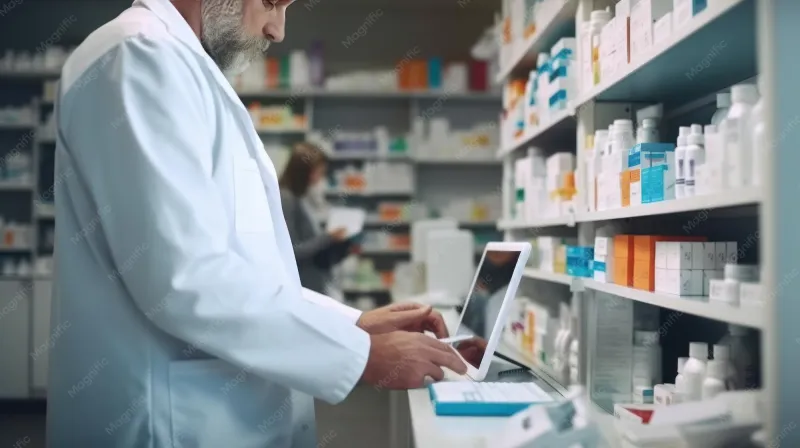
Photo: pharmacist inspecting medication pills packaging authenticity verification, via img.freepik.com
For most Americans, the act of filling a prescription feels routine — hand over the script, wait a few minutes, collect the bottle, go home. What rarely crosses a patient's mind is whether the small white tablet inside that amber vial is actually what the label claims it to be. Yet according to the World Health Organization, approximately one in ten medical products circulating in low- and middle-income countries is substandard or falsified, and the United States — despite having one of the most tightly regulated pharmaceutical supply chains in the world — is not entirely immune.
The U.S. Food and Drug Administration (FDA) has issued hundreds of warnings about counterfeit medications over the past decade, ranging from fake erectile dysfunction pills to fraudulent versions of high-demand drugs like Ozempic and Adderall. As online purchasing grows and supply pressures mount, the risk to ordinary consumers is no longer theoretical. Understanding what legitimate medications look like — and where the dangerous impostors tend to lurk — is an increasingly essential form of health literacy.
Why Counterfeit Medications Exist and Where They Come From
Pharmaceutical counterfeiting is, at its core, a crime driven by profit. Medications command high prices, consumers often have urgent need, and the complexity of global supply chains creates opportunities for bad actors to introduce fake products. Counterfeit pills typically fall into one of three categories: those containing no active ingredient whatsoever, those containing the wrong dose of the correct ingredient, and those containing entirely different — sometimes toxic — substances.
In the United States, counterfeit medications most commonly enter through three channels. The first is illicit online pharmacies, which operate outside the jurisdiction of state pharmacy boards and the FDA. The second is social media and peer-to-peer sales, where individuals purchase medications from strangers without any regulatory oversight. The third, though far rarer, involves sophisticated fraud within legitimate wholesale distribution networks — a threat the FDA's drug supply chain security initiatives are specifically designed to combat.
The fentanyl crisis has brought counterfeit pill dangers into sharp public focus. The Drug Enforcement Administration (DEA) has repeatedly warned that fake pills — often pressed to resemble legitimate prescription opioids, benzodiazepines, or stimulants — are frequently laced with illicitly manufactured fentanyl. These pills are visually indistinguishable from authentic medications to the untrained eye.
What Legitimate Medication Packaging Actually Looks Like
One of the most accessible ways to evaluate a medication's authenticity begins before you ever open the bottle. Genuine pharmaceutical packaging is produced to exacting standards, and irregularities are often visible upon close inspection.
Examine the outer packaging carefully. Look for crisp, professionally printed text with consistent font sizes and no spelling errors. Authentic drug packaging will include the National Drug Code (NDC), a unique 10- or 11-digit number that identifies the labeler, product, and package size. You can verify an NDC against the FDA's NDC Directory, available at fda.gov, to confirm it corresponds to the product you received.
Check lot numbers and expiration dates. These should be clearly printed — not handwritten or affixed with a sticker over another date. Tamper-evident seals should be intact. If a foil seal is broken, torn, or absent on a product that typically carries one, that is a significant warning sign.
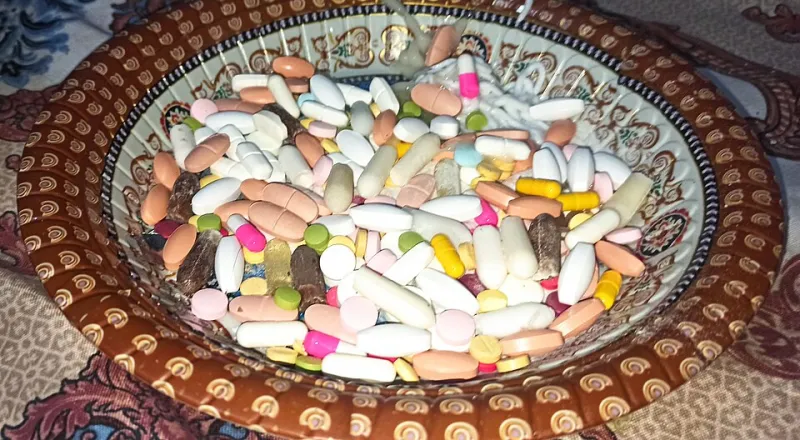
Inspect the pills themselves. Authentic tablets and capsules are manufactured under strict quality controls, meaning their color, size, shape, and imprint are highly consistent within a given lot. If you notice that pills within the same bottle vary noticeably in size, color, or the depth of their imprint markings, something may be wrong. The FDA maintains an online pill identifier tool that allows patients to cross-reference a pill's physical characteristics — including imprint codes — with known pharmaceutical products.
Red Flags When Purchasing Medications Online
The internet has made it easier than ever to access medications, but it has also created fertile ground for counterfeit sales. The FDA estimates that the vast majority of online pharmacies operating today do so outside the law. Recognizing a rogue online pharmacy can protect you from receiving substandard or outright dangerous products.
Legitimate online pharmacies operating in the United States must be licensed by the state board of pharmacy in each state where they dispense, require a valid prescription from a licensed practitioner for prescription drugs, and display a physical U.S. address and working phone number. The National Association of Boards of Pharmacy (NABP) operates a verification program called .pharmacy, and its website provides a list of accredited online pharmacies. If a website does not appear on that list, proceed with extreme caution.
Specific warning signs to watch for include:
- Prices that seem dramatically lower than those at licensed U.S. pharmacies
- No requirement for a prescription on controlled or prescription-only medications
- Offers to "consult" with a physician via a brief online questionnaire rather than a legitimate clinical relationship
- Domain names that mimic well-known pharmacy chains with slight spelling variations
- No verifiable physical address or customer service phone number
- Payment methods limited to wire transfer, cryptocurrency, or prepaid debit cards
What to Do If You Suspect a Counterfeit
If something about your medication looks, smells, or feels wrong — trust that instinct. Authentic medications typically have a consistent, mild odor or no odor at all. An unusual chemical smell, a chalky or gritty texture that differs from what you have taken before, or a coating that dissolves unusually quickly are all worth noting.
Do not take a medication you suspect is counterfeit. Contact your pharmacist immediately and describe your concerns. A licensed pharmacist can compare the product against known specifications and escalate the matter if necessary. You should also report suspected counterfeit medications to the FDA through MedWatch, the agency's safety reporting program, accessible at fda.gov/safety/medwatch. The DEA also accepts reports of suspected counterfeit controlled substances.
If you obtained the medication from a licensed U.S. pharmacy and believe it may be counterfeit, notify the pharmacy directly. Reputable pharmacies take such reports seriously and are required to investigate and report suspected product integrity issues to their suppliers and the FDA.
Building Safer Medication Habits
Protecting yourself from counterfeit medications is not about paranoia — it is about informed vigilance. A few consistent habits can meaningfully reduce your risk.
Always fill prescriptions through licensed, verifiable pharmacies, whether in person or online. If cost is a concern driving you toward less regulated sources, speak with your prescriber or pharmacist about legitimate alternatives: manufacturer patient assistance programs, generic substitutions, or discount programs like GoodRx, which work through licensed U.S. pharmacies.
Establish a relationship with a single pharmacy when possible. Pharmacists who know your medication history are better positioned to notice if a product looks inconsistent with what you have received before. Keep records of what your medications look like — their imprint codes, colors, and sizes — so that you have a baseline for comparison each time you refill.
Finally, when in doubt, ask. Pharmacists are among the most accessible healthcare professionals in the country, and medication authenticity questions fall squarely within their expertise. No question about your medication's safety is too small to raise.
The pharmaceutical supply chain that serves American patients is, by global standards, exceptionally well-regulated. But no system is without its vulnerabilities, and consumer awareness remains one of the most powerful tools in keeping counterfeit medications out of medicine cabinets across the country.